
"Silent" Protagonists
Mascots, Elden Ring grunts, J.M. Coetzee, and Creep (2014).

Sorry for skipping last week. We’ve had lots of visitors to Club Smash, which is what we call our house (not a long story but a confusing one, so don’t worry about it).
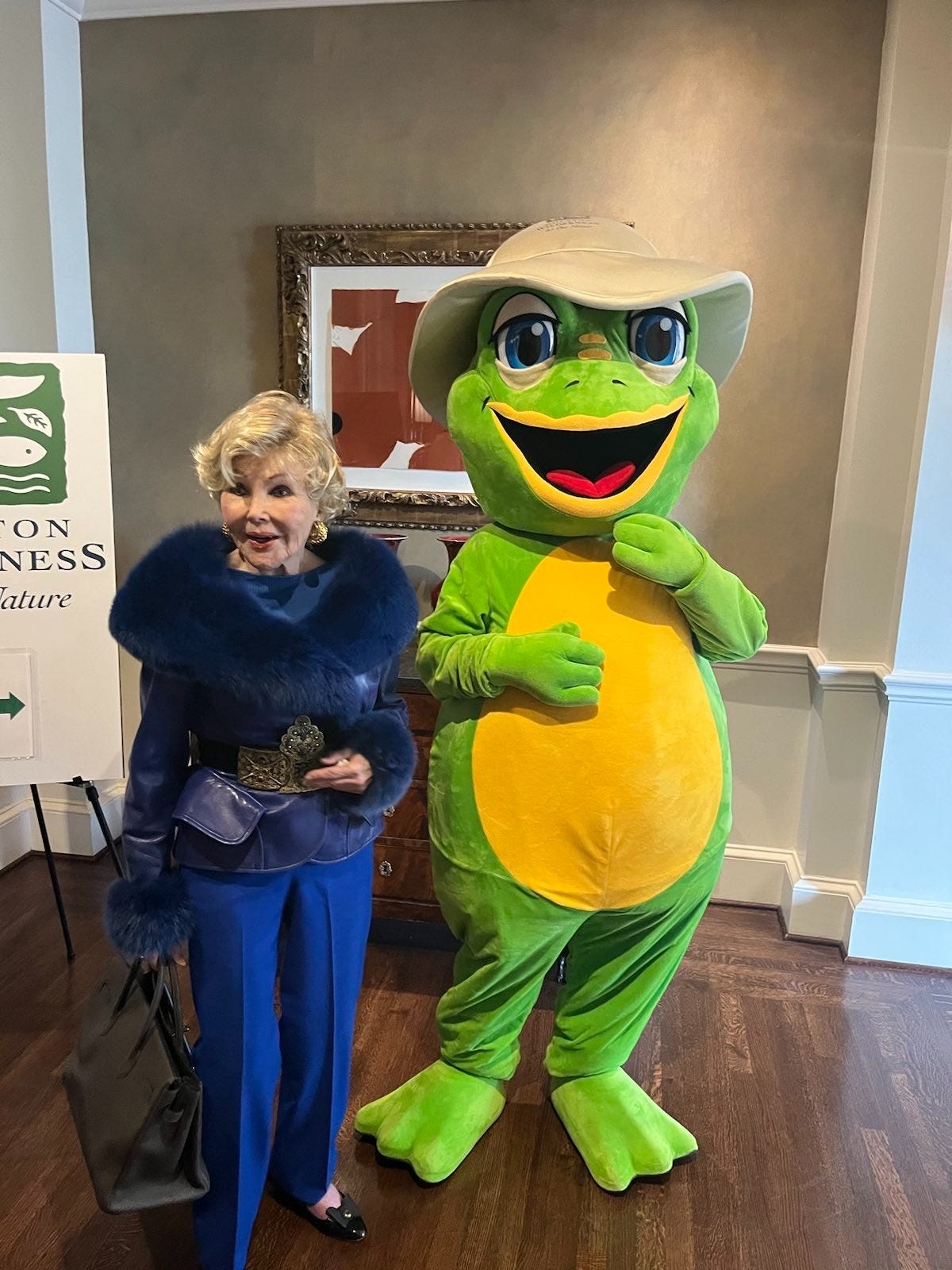
Yesterday, my friend tenderly enfolded me into a $10,000 frog mascot suit in the supply closet of a country club that admitted its first black member in 1997. As Hoppi, the mascot of the nonprofit my friend works for, I was under strict orders not to speak to avoid ruining “the magic of Hoppi.” So, I danced around, waved, shook hands, and posed for pictures with rich and powerful Texans, including the woman who, in her own words, “did not make Al-Qaeda,” while sweat ran down my face in the froggy darkness inside Hoppi’s head. After 20 minutes, I felt my psyche begin to meld with Hoppi’s. I feel very sincerely that I was just a few minutes away from a demipermanent personality shift when my friend pulled me back into the supply closet to become human once again.
So, I’ve been thinking about quiet characters. Lots of video games have “silent protagonists,” from Link from the Legend of Zelda games to Gordon from Half Life. Plenty more have their speech represented by text, even when other characters are voiced. But I’m more interested in the ways that these characters aren’t exactly silent. Link screams when he falls into a bottomless void; Gordon wordlessly protests when you make him stand in flames. Lots of games now let you choose your character’s voice along with their physiology, which is especially funny in games like Elden Ring where your character doesn’t speak. What sound should Poisson—my ghoulishly pale and gaunt Elden Ring character—make when he gets eaten alive by bepustuled crow the size of a crop duster?
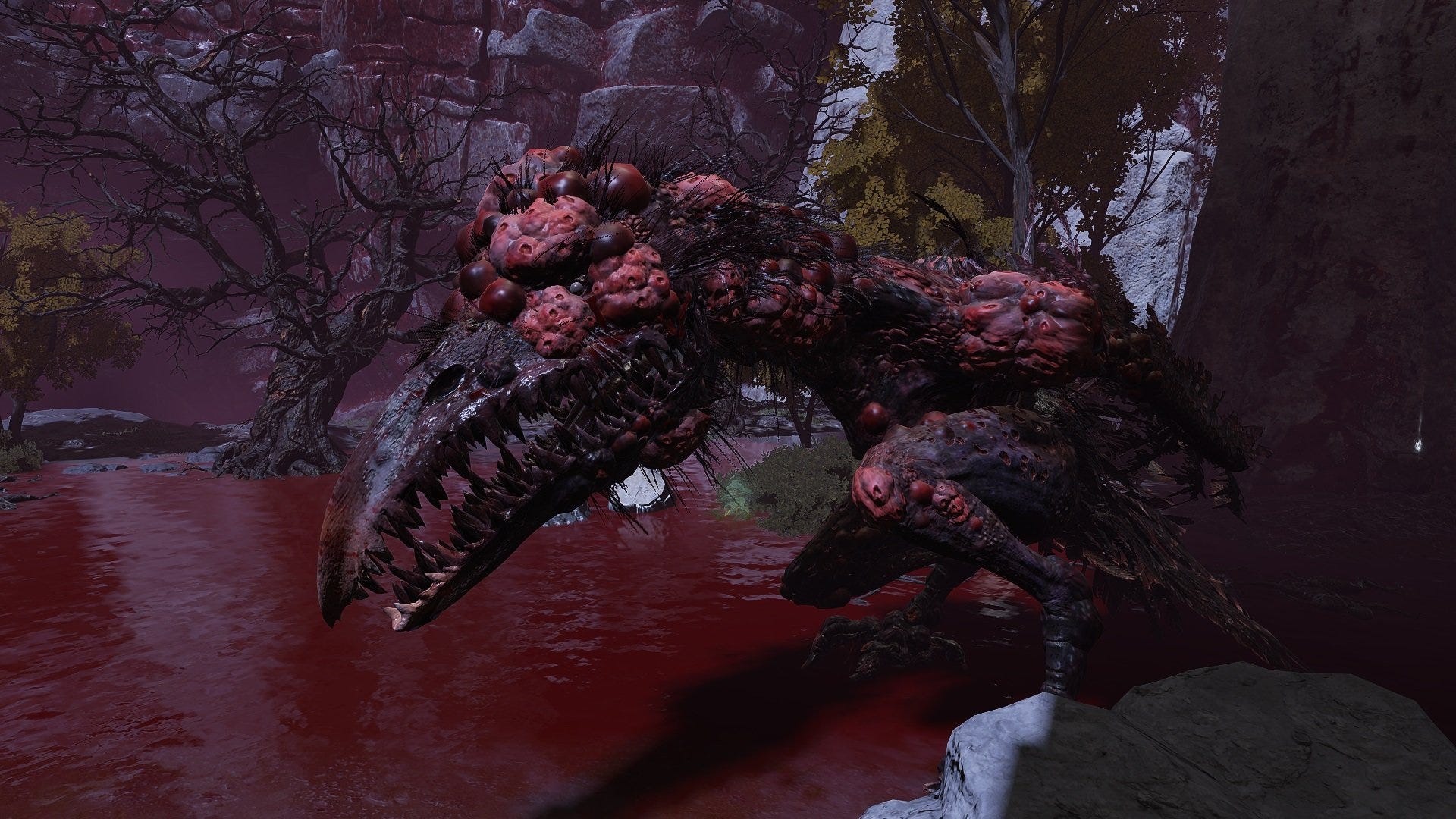
Elden Ring lets you cycle through a catalog of oofs, screams, and grunts of effort to decide which one fits your character. A vigorous masculine shriek? The crackly yelp of an old lady? I went with the weeniest male voice I could find for sweet Poisson.
Voicelessness or, more often, the choice not to speak is a theme of a lot of J. M. Coetzee’s books. In Foe—a retelling of Robinson Crusoe—Friday lacks a tongue. In Waiting for the Barbarians, the erudite protagonist’s native gf (?) refuses to talk to him. In his books, the inability of characters to accept others’ silence is part of his critique of the intellectual rapacity of empire. The (usually white) characters can’t fucking stand that someone knows something they don’t, even if it’s their own private thoughts and histories.
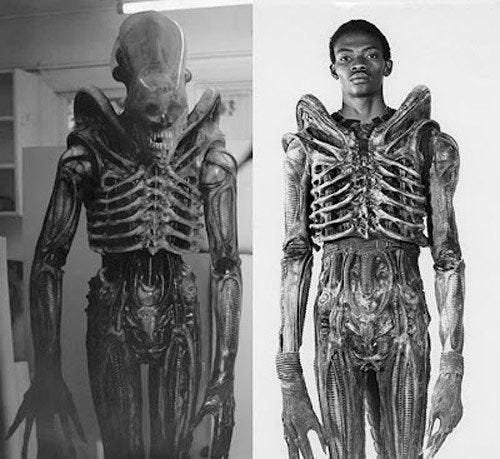
Silence can be scary. Think of the countless silent killers in horror movies: Jason, Mike Myers. In many cases, their humanlike faces are obscured by a mask. This is even true in Alien:
One of the best examples of this is in the movie Creep. The titular creep is a weird guy who hires a videographer to film him. The guy is pretty chatty until he puts on a very, very scary wolf mask and goes silent. He’s already hard to read; now, with his face hidden, it’s impossible to figure out what he’s thinking. It’s hard to avoid the suspicion that he’s transformed, that the costume has absorbed the wearer.
That’s kind of what it was like to wear the Hoppi costume. That’s probably why this lady in furs (the one who definitely didn’t contribute to 9/11) kept trying to peer into the frog’s mouth—and why I recoiled from her attempts to see my face through the mesh.
Week in Review
I turned against this season of True Detective when I realized it was almost over. I haven’t seen the last episode yet but I don’t think I’ll change my mind. More on this some other time.
I’ve been watching lots of Diners, Drive-Ins, and Dives. Guy Fieri is hypnotic. Did you know he opened restaurants at lots of colleges? Did you know they’re called GFOC (Guy Fieri on Campus)?